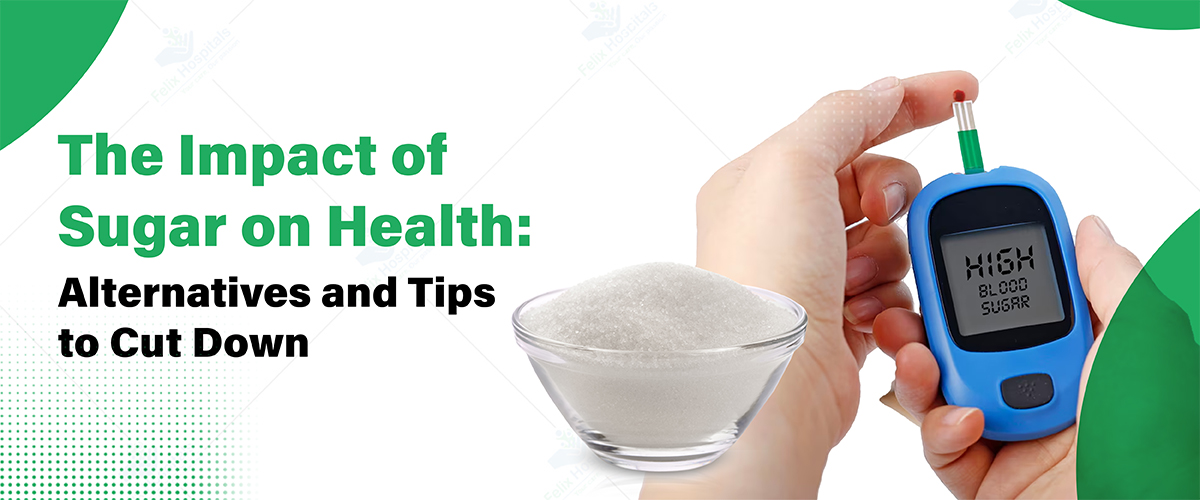
Your Body on Sugar: The Alarming Impact of Added Sweeteners
Introduction Sugar may taste comforting, but added sweeteners are silently disrupting our health. Unlike natural sugars found in fruits and milk, added sugars are introduced during processing and offer calories with little to no nutritional value. Over time, excess sugar intake can affect nearly every system in the body—from the brain to the heart. What Happens When You Eat Sugar? 1. Immediate Energy Spike Sugar quickly enters the bloodstream, causing a rapid rise in blood glucose levels. This gives a short burst of energy—but it doesn’t last. 2. Insulin Surge The pancreas releases insulin to control blood sugar. Frequent spikes force the body to overproduce insulin, increasing the risk of insulin resistance. 3. Energy Crash & Cravings Once blood sugar drops, fatigue, irritability, and hunger set in—often leading to more sugar cravings. This creates a vicious cycle. How Added Sugar Affects Your Body ???? Brain Triggers dopamine release, similar to addictive substances Increases cravings and emotional eating Linked to anxiety, mood swings, and poor concentration ?? Heart Raises triglycerides and bad cholesterol (LDL) Increases risk of high blood pressure Strongly associated with heart disease ???? Teeth Feeds harmful oral bacteria Causes tooth decay and cavities ???? Liver Excess fructose is converted into fat Leads to fatty liver disease over time ?? Weight & Metabolism High sugar intake promotes fat storage Increases risk of obesity and metabolic syndrome Hidden Sources of Added Sugar Many people consume far more sugar than they realize. Common hidden sources include: Soft drinks and packaged juices Breakfast cereals Biscuits, cakes, and sweets Flavored yogurt Sauces, ketchup, and ready-to-eat foods Recommended Limits Health authorities recommend: Men: ? 36 grams (9 teaspoons) per day Women: ? 25 grams (6 teaspoons) per day In reality, many people exceed this limit before lunch. Long-Term Health Risks Excessive added sugar consumption is linked to: Type 2 diabetes Obesity Heart disease Fatty liver disease Chronic inflammation How to Reduce Sugar Intake Read nutrition labels carefully Choose whole foods over processed foods Replace sugary drinks with water or unsweetened beverages Use natural sweetness from fruits instead of refined sugar Conclusion Sugar isn’t the enemy—but added sugar in excess is. Understanding how sugar affects your body empowers you to make smarter dietary choices. Reducing added sweeteners today can significantly improve your long-term health and energy levels.
.jpg)